History

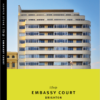
Find out about the history and architecture of Embassy Court

The Site

The Site
The site was a flood-prone wilderness until the construction of the western esplanade between 1825 and 1834. This massive enterprise, engineered by the architect Amon Henry Wilds, transformed it into one of the most desirable pieces of real-estate on the south coast of England. At the same time the existing...

Embassy Court – plans and construction

Embassy Court – plans and construction
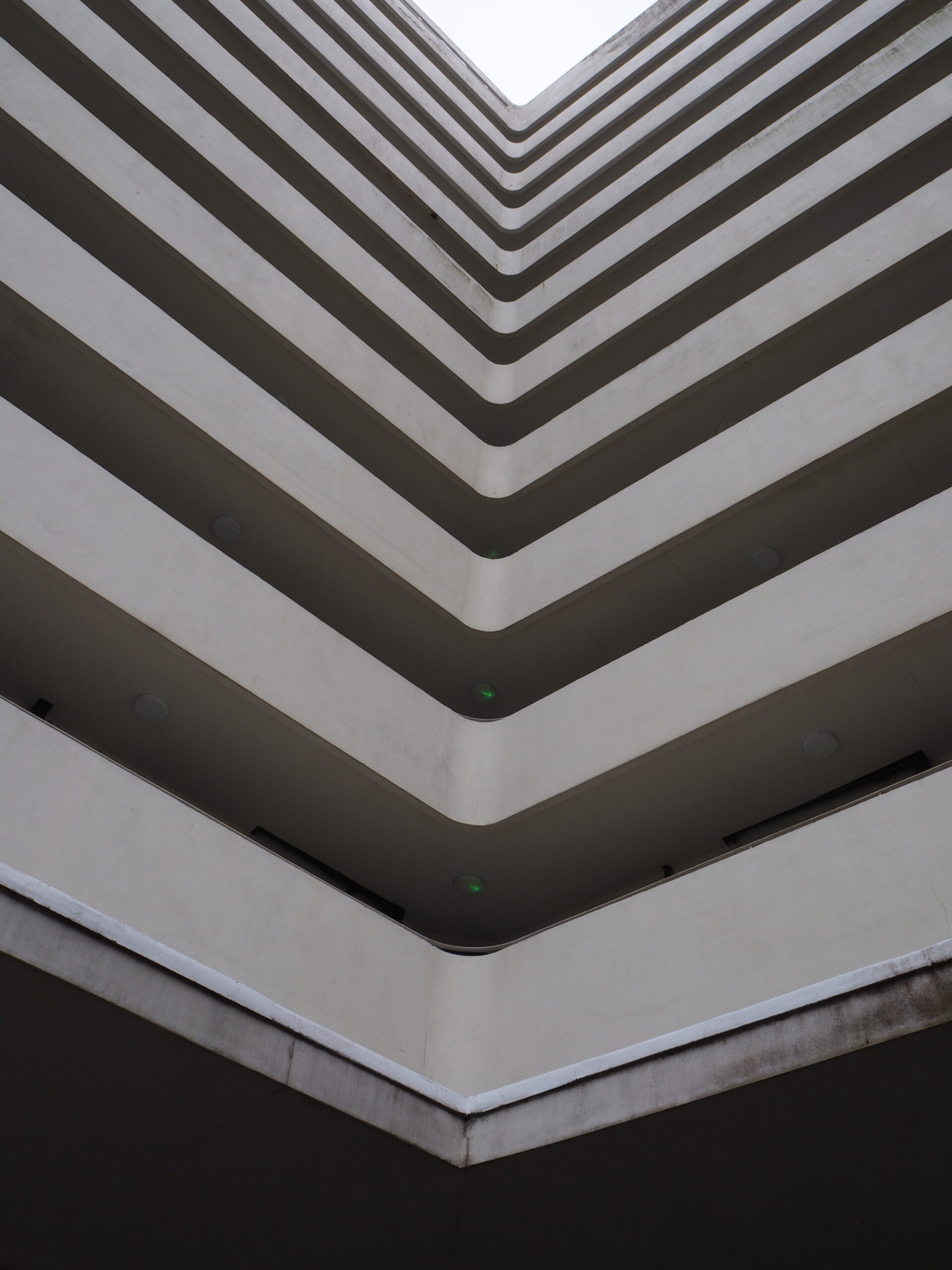
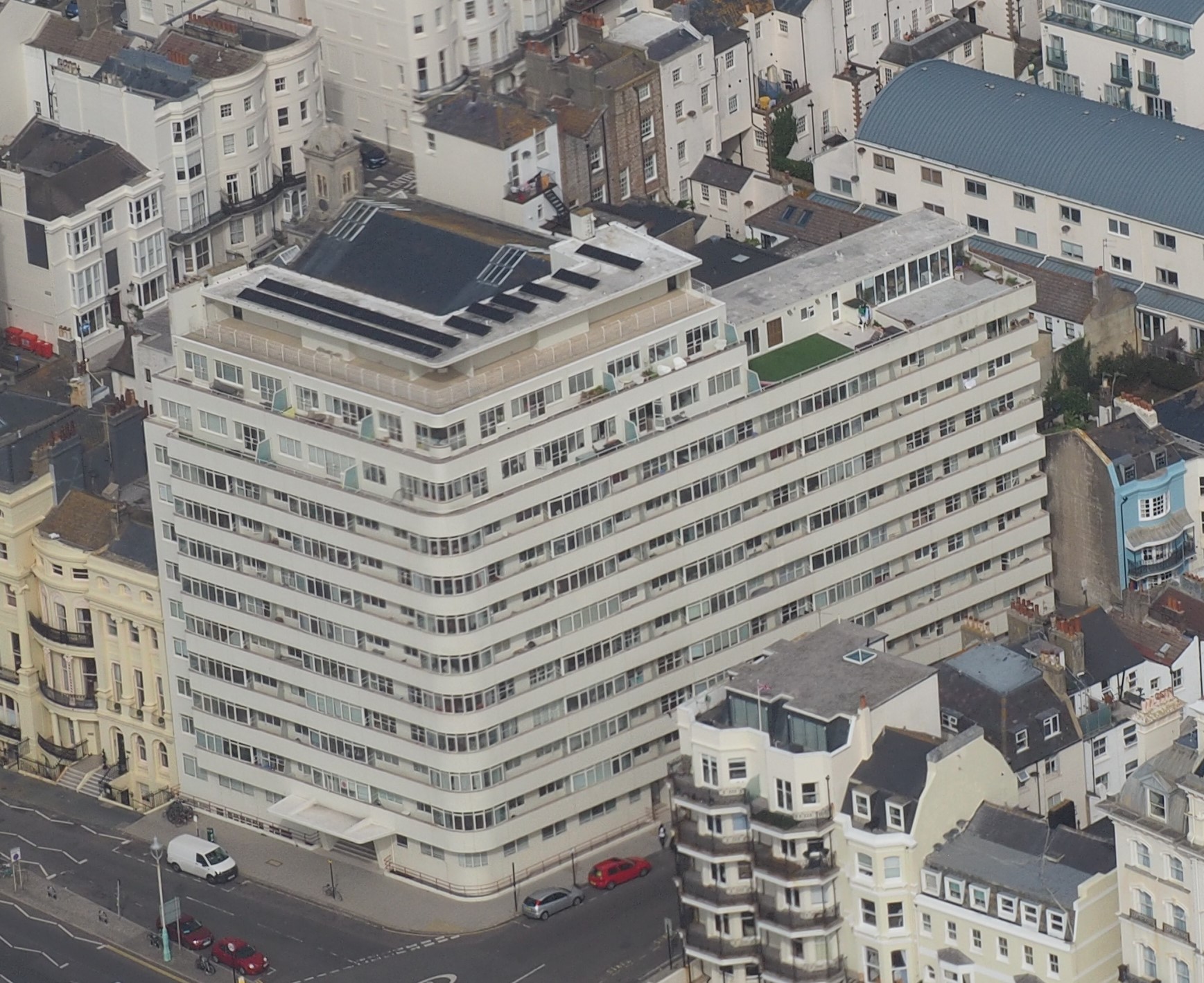
The plan is a simple L-shape about 44 ft deep wrapping around the seafront to Western Street. An arrangement with the local authority allowed the elevation to rise to eleven storeys high, including a spacious roof terrace. A typical floor contains 7 flats, 6 of which are accessed directly from the lift...

Innovative features and design

Innovative features and design
Embassy Court was a showcase for the idea of the “minimum flat”. The Modernist layout of plain surfaces and masses provided for levels of comfort and amenity that were exceptional for their day. Features included under-floor central heating and constant hot water fed from boilers in the basement to...

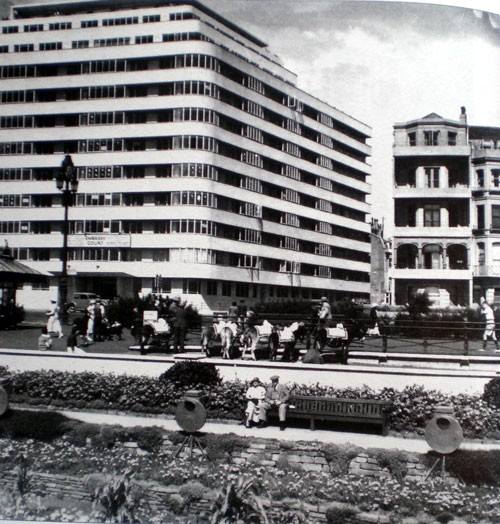
Embassy Court in the 1930s

Embassy Court in the 1930s
Embassy Court was not just home to the wealthy and famous. The luxury lifestyle on offer required the presence of up to 40 staff a number of whom had accommodation on site. Like the last English country houses of the 1930s the presence of maids, butlers and other servants was incorporated into the...

Who lived at Embassy Court?

Alas, there is little solid evidence that many of the famous celebrities popularly associated with the building ever leased flats or took up permanent residence here. The novelist, playwright and columnist Keith Waterhouse certainly lived at Embassy Court for many years. Actors and entertainers Rex Harrison,...

The Embassy Court Mural

The Embassy Court Mural
The Britain of the 1930s saw an influx of writers, intellectuals, artists and architects escaping totalitarian regimes in Europe. Mingled with talent from the Empire and dominions, new ideas, methods, artistic and social values jolted Britain into a cultural life that could hardly have been imagined by...

Wells Coates and Modernism

Wells Coates and Modernism
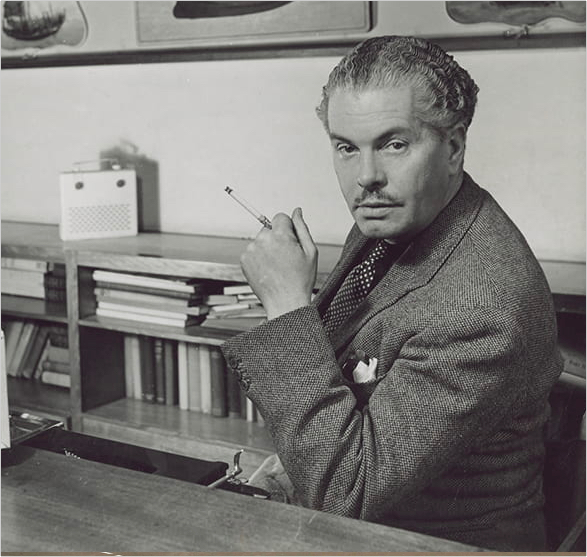
Coates was a key figure in the development of the first phase of British Modernism. A Canadian national brought up in Japan he seems typical of the invigorating spirit that entered British cultural life in the 1930s. Energetic, driven, beholden to no-one, capable of a deep idealism whose seriousness was...

Embassy Court in the Courts

The sale of long leases was a key feature of the growth in UK home ownership in the 1960s and 70s. But imbalances were inherent in the legal frame work that supported this system. In a large block of flats like Embassy Court, the conversion from short to long leases shifts the location of value from the...

The Decline of the Building

The Concrete Structure Reinforced concrete is not as durable as it looks. If left unprotected, it is prone to various forms of contamination which in turn give rise to corrosion in the steel bars embedded within it. These steel bars give reinforced concrete its strength. Rust expands along them forming...

The Restoration

Restoration of the building took place in 2004-5 and was a comprehensive repair of the fabric, structure and all of the common parts and included replacements, overhauls or upgrades of all the common services. The Major Works included: -          Repair of the entire concrete fabric and renewal...
Page 1 of 212